Why Cannabis Accounting Is Different in New Jersey
New Jersey's CREAMM Act created a licensing structure with more moving parts than most retail or agricultural industries: cultivators, manufacturers, wholesalers, distributors, retailers, delivery services, and testing labs, each with distinct cost drivers and compliance obligations to the Cannabis Regulatory Commission. A chart of accounts copied from a generic small-business template will not separate cultivation labor from packaging labor, or track waste and shrink the way an auditor or lender will expect.
Because IRC 280E disallows ordinary deductions for plant-touching businesses at the federal level, the accuracy of your cost-of-goods-sold calculation directly determines your federal tax liability. That makes the accounting function inseparable from tax strategy in this industry. We design books from day one to support a defensible 280E position while giving management usable operating data.
What We Build for New Jersey Licensees
Every engagement starts with a cannabis-specific chart of accounts mapped to your license class, followed by a monthly close process that reconciles bank activity, point-of-sale or wholesale invoicing, and your Metrc inventory data. We also build in the internal controls the CRC and your lenders expect to see, including segregation of duties around cash handling given the industry's continued limited access to banking.
- License-class-specific chart of accounts and general ledger structure
- Monthly close with bank, POS, and Metrc reconciliation
- Cost accounting for cultivation, manufacturing, and retail cost pools
- Internal controls documentation for cash-intensive operations
- Audit-ready workpapers for CRC and IRS inquiries

Working With Your Existing Systems
Most operators already have some combination of QuickBooks, a Metrc account, and a point-of-sale or ERP system that don't talk to each other cleanly. We integrate these systems rather than forcing you onto new software, building reconciliation processes that catch discrepancies between reported inventory and financial records before they become a regulatory or audit problem.
Multi-Entity and Multi-License Structures
Many New Jersey operators hold more than one license or operate across vertically integrated entities, for example a cultivator that also manufactures and a retailer under common ownership operating in different municipalities such as Elizabeth and Toms River. We handle intercompany transactions, transfer pricing between related entities, and consolidated reporting so ownership sees the full picture without losing the entity-level detail regulators require.
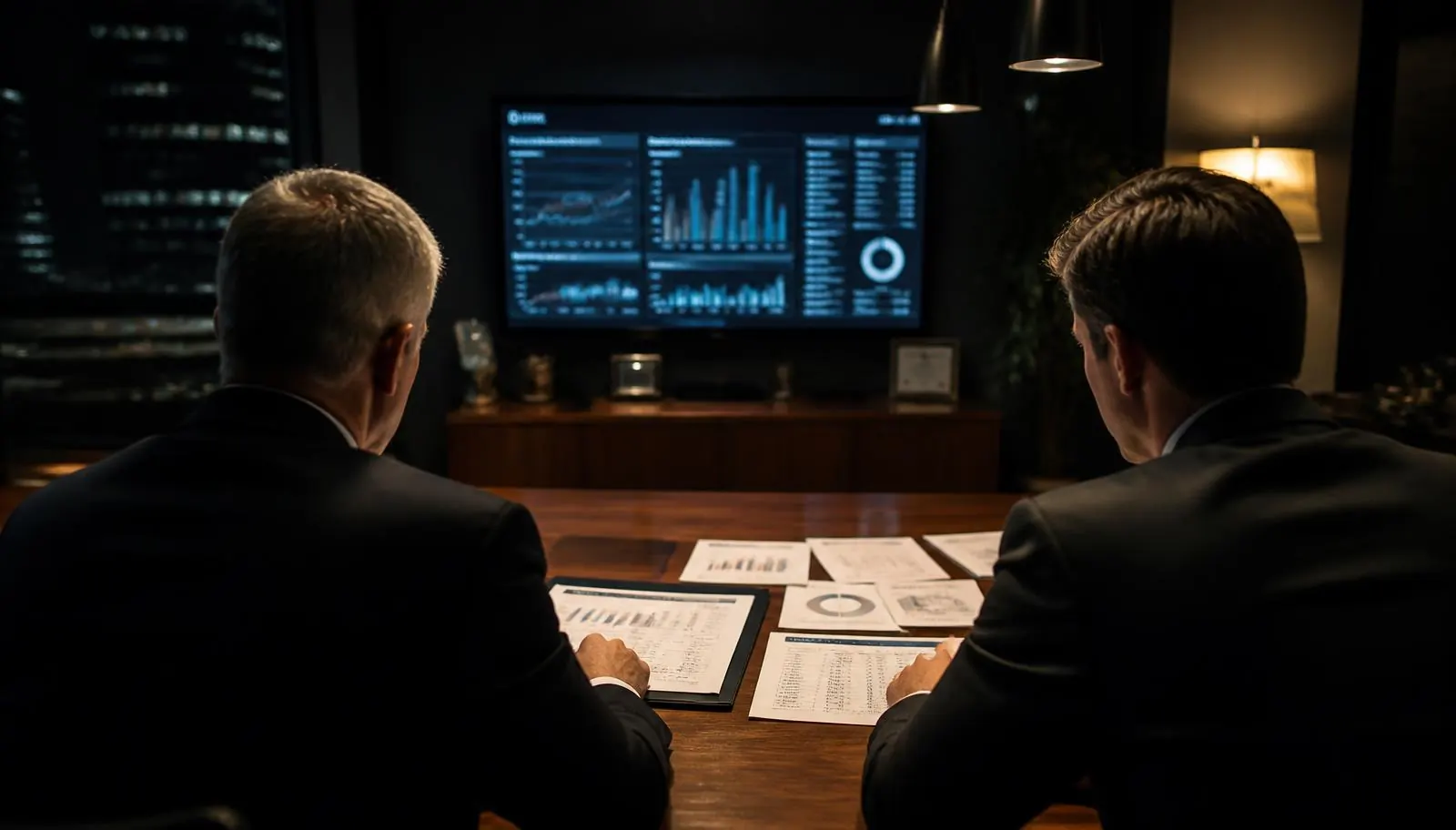
Month-end close mechanics for a multi-license New Jersey operator
A licensee holding a cultivation license and a co-located manufacturing license in Egg Harbor or Vineland-area facilities runs two cost pools that must close independently before consolidation. Close begins with a Metrc package and item reconciliation: every harvest batch, package split, and transfer manifest for the period is matched against the general ledger's work-in-process and finished-goods sub-ledgers, with variances investigated at the batch level rather than written off in aggregate.
Next, accrued cultivation labor and utilities are allocated to the batches actively in production during the period using square-footage or plant-count drivers established in the standing cost-allocation policy, and any spoilage or destruction events logged in Metrc are journaled as a loss with the corresponding CRC destruction manifest attached as support. Only after the production sub-ledgers tie to Metrc quantities does the team post intercompany transfers between the cultivation and manufacturing entities at the agreed transfer price, then roll finished-goods cost into the retail entity's inventory receipt.
A disciplined close typically finishes within eight to ten business days of period-end for an operator of this size, with a hard requirement that Metrc-to-ledger unit counts tie before any revenue recognition entries are finalized — reversing revenue after close because of an untied inventory count is the most common (and most avoidable) restatement driver we see.
Chart of accounts design that survives an audit and a due-diligence review
New Jersey operators frequently inherit a chart of accounts built for a single retail dispensary and then bolt on cultivation or manufacturing activity without restructuring it, producing a ledger where indirect production costs sit mixed into a generic 'operating expense' bucket. A defensible chart separates direct materials, direct labor, and indirect production overhead into distinct account ranges by license class from day one, because that segregation is exactly what a 280E COGS study and a future buyer's quality-of-earnings review will need to pull.
We typically structure accounts in four tiers: direct materials (nutrients, packaging consumed in production, trim), direct labor (cultivation and production wages, payroll taxes, and benefits for employees who physically touch the product), production overhead (facility rent, utilities, equipment depreciation, quality-assurance salaries), and non-production SG&A (retail staff, marketing, corporate overhead, professional fees). Building the chart this way from the outset saves weeks of reclassification work later and gives ownership a real-time read on gross margin by license class rather than a blended number that hides which activity is actually profitable.
- Segregate direct materials, direct labor, production overhead, and SG&A into distinct account ranges
- Tag accounts by license class (cultivation, manufacturing, wholesale, retail) for margin visibility
- Mirror Metrc item categories in inventory sub-ledger naming to speed reconciliation