280E capitalization advantage for Class 1 cultivators
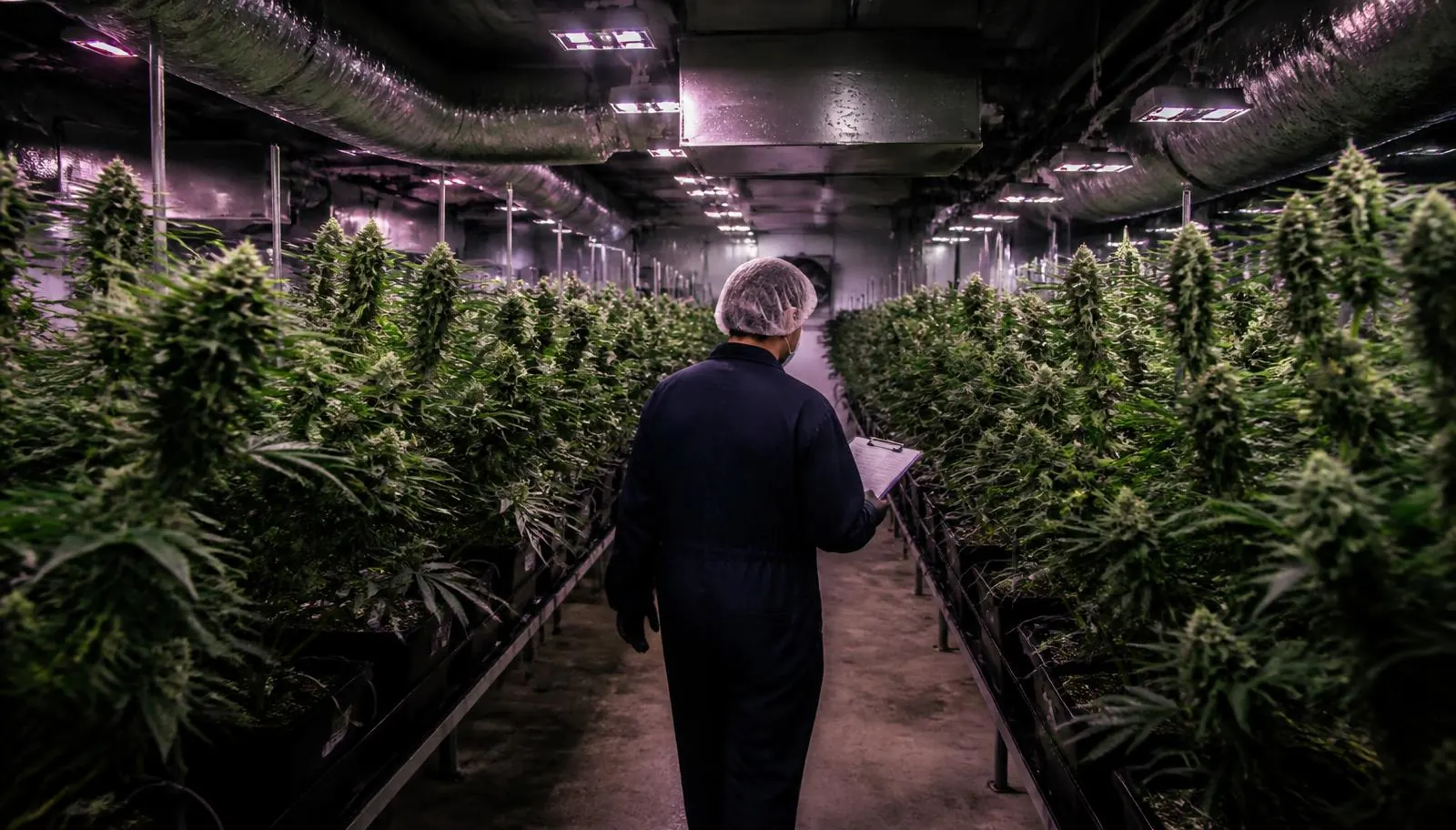
Cultivators occupy the most favorable position under IRC 280E among plant-touching license types because production activities allow far more cost to be capitalized into inventory under IRC 263A's full absorption rules. Direct grow labor, nutrients, growing medium, lighting electricity, HVAC apportioned to canopy space, and depreciation on cultivation equipment are all generally includable in cost of goods sold when properly job-costed by grow phase.
The distinction drawn in Olive v. Commissioner and CHAMP between a producer and a reseller matters directly here: a New Jersey cultivator that documents its absorption costing methodology consistently from clone through harvest has a materially stronger COGS position than one that lumps grow costs into general overhead accounts.
- Grow labor, nutrients and growing medium tied to specific rooms or batches
- Lighting, HVAC and utilities apportioned by canopy square footage
- Cultivation equipment depreciation allocated to production cost pools
Metrc, strain-level cost tracking and waste documentation
Metrc assigns tags to individual plants and tracks them through vegetative, flowering, harvest and package stages, but it does not calculate cost. A cultivator's accounting system needs a parallel job-costing structure keyed to Metrc's plant and harvest batch identifiers so that cost per gram can be reported by strain and by grow room, supporting both internal margin analysis and external audit defense.
Plant destruction, mold events and trim waste must be logged in Metrc with corresponding destruction manifests, and those manifests should reconcile monthly to inventory write-off entries in the general ledger. Undocumented shrinkage between Metrc and the books is one of the more common findings in both lender due diligence and CRC compliance review for New Jersey cultivation facilities.
New Jersey tax planning for cultivation operations
The Social Equity Excise Fee is assessed on a cultivator's sales of usable cannabis and is typically built into wholesale pricing passed to manufacturers and dispensaries; it should be tracked in its own liability account separate from cost of goods sold so that gross margin reporting is not distorted. Combined with New Jersey's decoupling from 280E under P.L. 2023, c.50 for state Corporation Business Tax and Gross Income Tax purposes, cultivators generally face a materially lower effective state tax rate than federal rate.
We build the accounting system first and let the tax return follow it. If you operate a licensed New Jersey cultivator, a diagnostic review will quantify what your current treatment is costing you before any engagement begins.