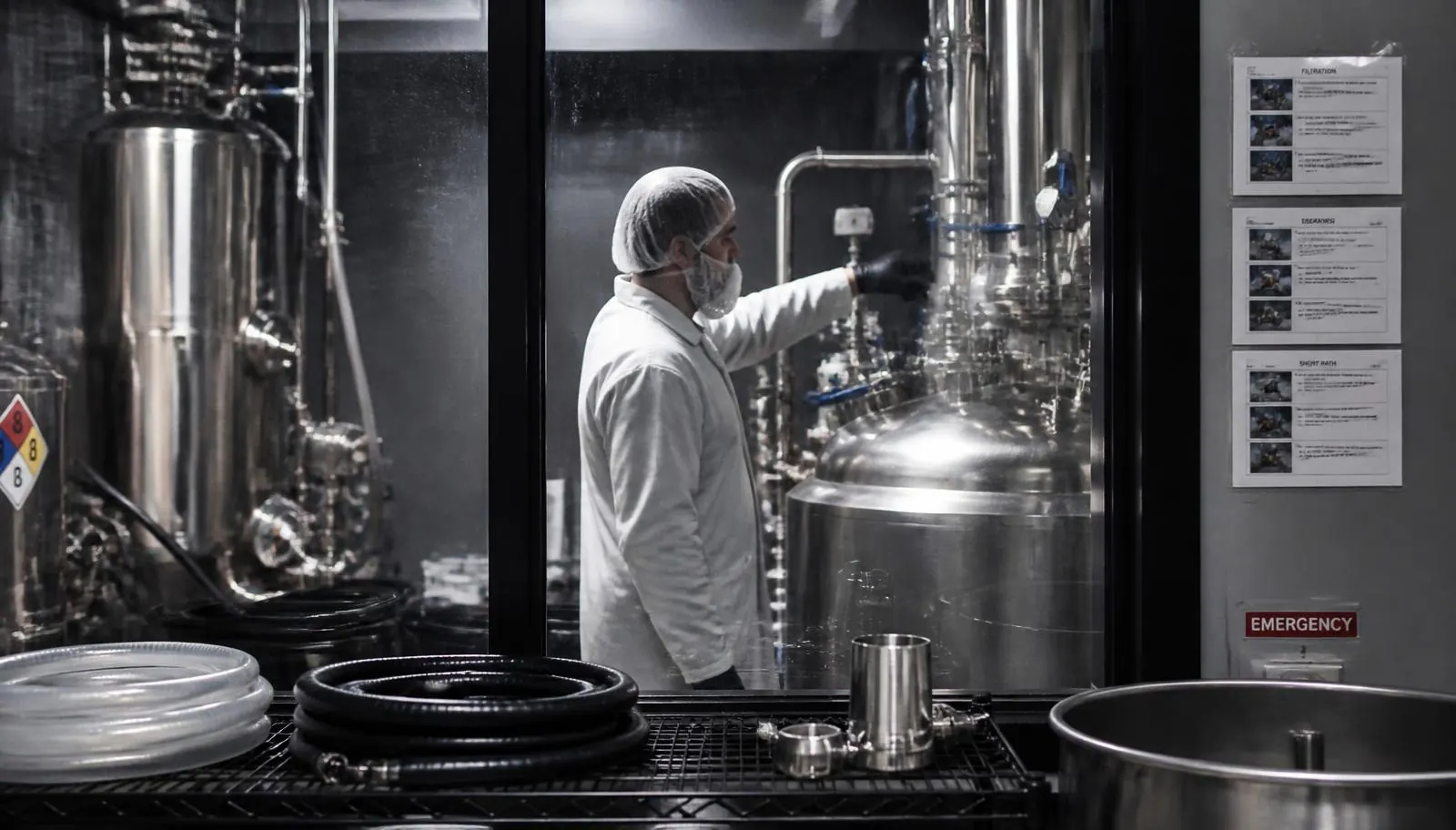
280E treatment of recipe-based infused production
Infused product manufacturers combine a Metrc-tracked cannabinoid input, typically distillate, with conventional food-production ingredients such as sugar, gelatin and flavoring, and both the cannabinoid and non-cannabinoid components generally qualify as capitalizable direct materials under IRC 263A when the entity is properly classified as a producer. Kitchen labor directly tied to batch production is likewise capitalizable, while packaging design, brand marketing and R&D testing generally are not.
Because infused-product brands frequently carry heavier marketing and packaging-design spend than flower producers, disciplined account mapping is essential; the CHAMP and Olive line of cases makes clear that the IRS will scrutinize any attempt to shift nondeductible marketing cost into COGS.
- Distillate input and food-grade ingredients as capitalizable direct materials
- Batch production kitchen labor allocated to specific recipes
- Packaging design and brand marketing generally remain nondeductible under 280E
Recipe costing, potency testing and Metrc reconciliation
Each recipe needs a standard cost combining the precisely dosed cannabinoid quantity, reported in Metrc, with conventional food-cost inputs, producing a per-unit cost that reflects both regulatory tracking and normal food manufacturing economics. Batch-level costing by SKU allows margin comparisons across product lines such as gummies, beverages and baked goods.
Potency testing results, shelf-life dates and any spoilage or recall disposal must reconcile to Metrc destruction records; a batch that fails testing or expires needs a documented write-off that ties the Metrc destruction transaction to the corresponding inventory adjustment in the general ledger.
New Jersey tax planning for infused product makers
New Jersey's decoupling from IRC 280E under P.L. 2023, c.50 is particularly valuable for infused-product manufacturers, since a larger share of their cost structure, including marketing, packaging design and co-packing fees, would otherwise be nondeductible federally but is generally deductible for New Jersey Corporation Business Tax and Gross Income Tax purposes.
We build the accounting system first and let the tax return follow it. If you operate a licensed New Jersey infused product manufacturer, a diagnostic review will quantify what your current treatment is costing you before any engagement begins.