280E and capitalizable extraction costs
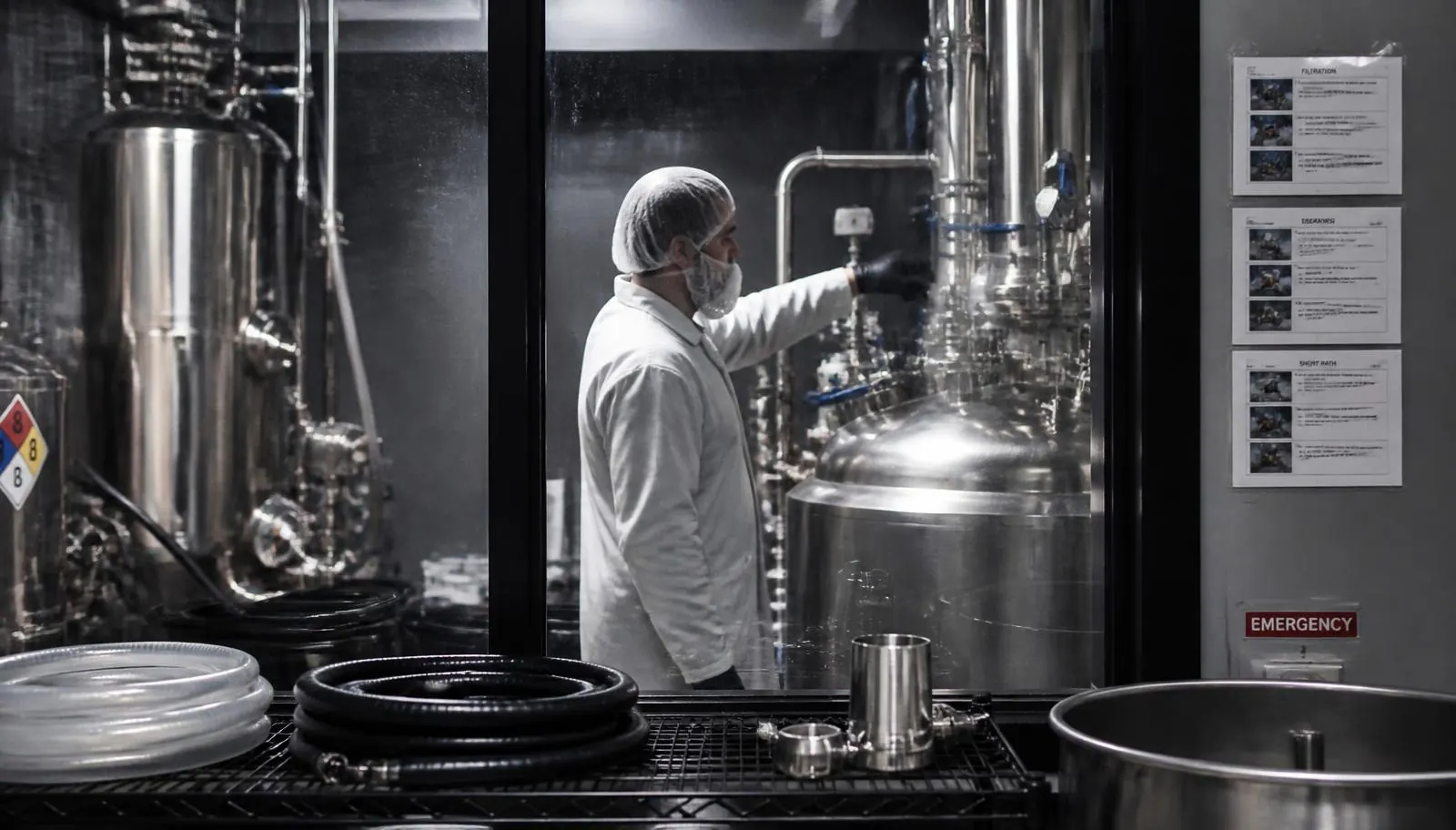
Manufacturers converting Metrc-tracked flower into concentrates and distillate are producers for IRC 263A purposes, which means extraction labor, solvents, processing equipment depreciation and a proportionate share of facility overhead are generally capitalizable into cost of goods sold, provided they are job-costed to specific production runs rather than booked as general expense.
Because manufacturing involves multiple conversion stages with material weight loss at each step, cost basis must be recalculated at every stage rather than carried forward as a flat per-unit figure, a distinction the Tax Court's producer-versus-reseller framework in Olive and CHAMP makes directly relevant to how a New Jersey manufacturer should structure its chart of accounts.
- Extraction technician labor and equipment depreciation allocated to production runs
- Solvents and processing supplies capitalized as direct materials
- Facility overhead apportioned to extraction versus packaging cost pools
Metrc conversion tracking and yield variance
Metrc records each conversion transaction as flower becomes biomass, crude oil and distillate, and the accounting system needs to mirror that chain with a recalculated cost per unit at every stage. Extraction yield naturally varies by input material and equipment run, so standard-cost variance analysis should be reviewed at least monthly to catch drift between expected and actual output before it compounds into a material inventory misstatement.
Packaging into finished vape cartridges or bulk wholesale containers adds a further cost layer, and finished-goods valuation needs to capture packaging materials and labeling cost on top of the accumulated production cost carried from the extraction stage.
New Jersey tax planning for manufacturing operations
New Jersey manufacturers benefit from the same P.L. 2023, c.50 decoupling from IRC 280E that applies to all licensed operators, allowing ordinary business expenses to be deducted for state Corporation Business Tax and Gross Income Tax purposes even where 280E denies the deduction federally. Maintaining a permanent book-to-tax difference schedule, rather than recomputing the gap annually from scratch, keeps both filings accurate as production volume scales.
We build the accounting system first and let the tax return follow it. If you operate a licensed New Jersey manufacturer, a diagnostic review will quantify what your current treatment is costing you before any engagement begins.